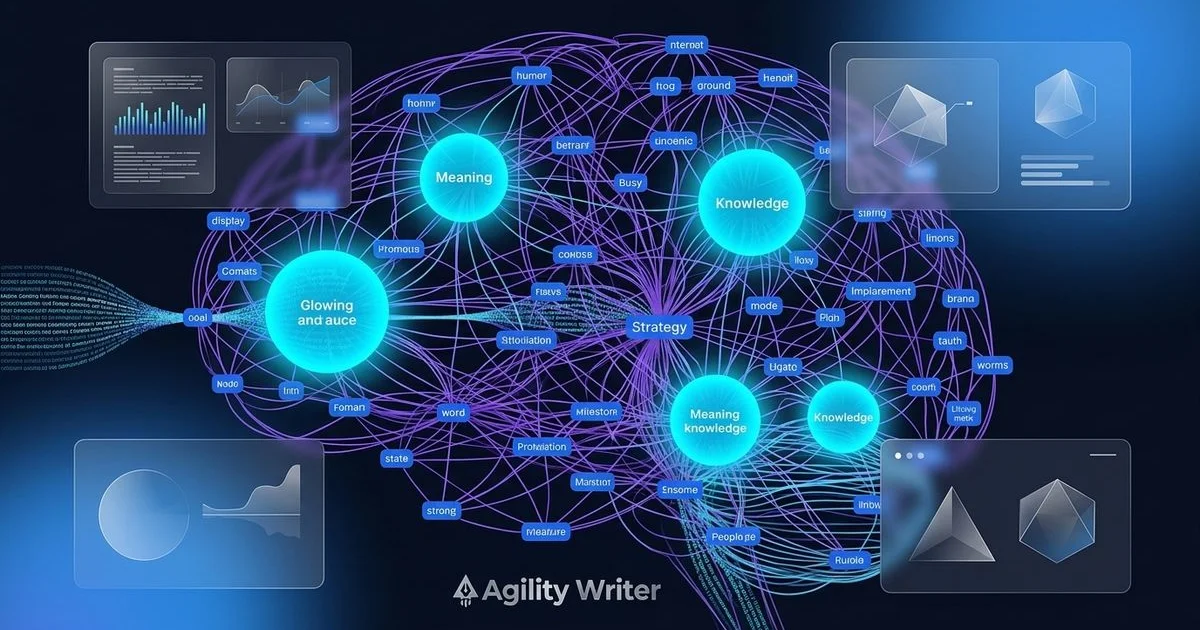
Behind every AI blog generator lies a sophisticated stack of Natural Language Processing technologies. NLP is the branch of artificial intelligence that enables computers to understand, interpret, and generate human language. Understanding how these technologies work helps content creators make better use of an AI SEO writer and produce higher-quality content.
In this deep dive, I explain the key NLP technologies that power modern AI blog content creation and how they translate into practical benefits for your content strategy.
What Is Natural Language Processing
Natural Language Processing sits at the intersection of computer science, linguistics, and machine learning. It encompasses a wide range of technologies designed to bridge the gap between human communication and computer understanding. In the context of blog content creation, NLP handles everything from understanding what a topic is about to generating coherent, engaging prose.
The field has advanced dramatically in recent years, driven by breakthroughs in transformer architectures and large language models. These advances are what make modern AI blog generators capable of producing content that reads naturally and performs well in search engines.
Key NLP Technologies in AI Writing
Semantic Understanding
At the foundation of AI content creation is semantic understanding, the ability to comprehend the meaning behind words rather than just their surface-level definitions. When you ask an AI to write about “cloud computing,” it needs to understand that you are referring to distributed computing infrastructure, not meteorology.
Modern NLP models achieve this through vector representations of language, where words and phrases are mapped to multi-dimensional spaces based on their meaning and usage patterns. Words with similar meanings cluster together, and relationships between concepts are preserved as mathematical relationships between vectors.
This semantic understanding is what allows AI blog generators to produce content that stays on topic, covers relevant subtopics naturally, and uses terminology appropriately. It is the same technology that helps search engines understand what your content is about, which is why AI-generated content often aligns well with SEO requirements.
Entity Recognition
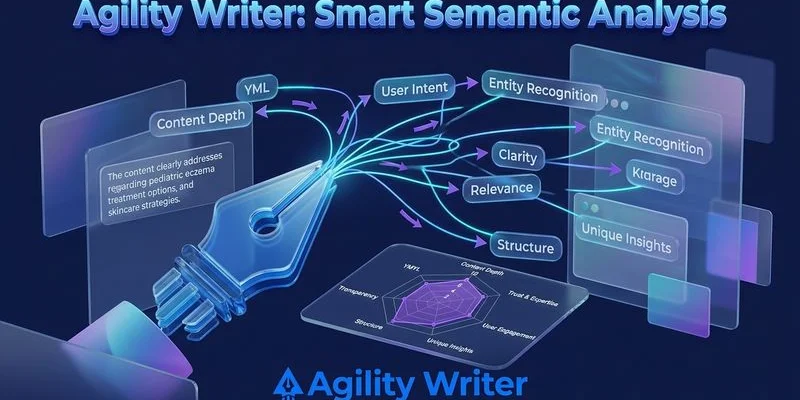
Named entity recognition (NER) is an NLP technique that identifies and classifies named entities in text, such as people, organizations, locations, dates, and technical terms. In content creation, entity recognition helps AI tools understand the key concepts that should be included in an article, maintain consistency in how entities are referenced throughout the text, and connect related entities to build comprehensive content.
When Agility Writer generates content about a topic, entity recognition ensures that all relevant concepts, brands, technologies, and terminology are included naturally. This contributes to the comprehensiveness that search engines reward.
Sentiment Analysis
Sentiment analysis determines the emotional tone of text. In content creation, this technology helps maintain appropriate tone throughout an article. A buyer’s guide should feel objective and helpful. A thought leadership piece might be more assertive and opinion-driven. An industry news article should maintain a neutral, informative tone.
AI blog generators use sentiment analysis to ensure consistency of tone and to match the emotional register appropriate for different content types.
Topic Modeling
Topic modeling algorithms analyze large collections of text to identify underlying themes and topics. In the context of AI blog content creation, topic modeling helps identify all the subtopics that should be covered in a comprehensive article, understand how different topics relate to each other, and ensure content covers a topic as thoroughly as top-ranking competitors.
This technology is central to features like Agility Writer’s topical map, which uses topic modeling to plan comprehensive content strategies that build topical authority.
Text Generation
The most visible NLP technology in AI blog creation is text generation itself. Modern text generation uses transformer-based language models that predict the most appropriate next token based on the preceding context. These models have been trained on vast amounts of text data, giving them broad knowledge of language patterns, writing styles, and factual information.
What makes modern AI text generation remarkable is its ability to maintain coherence over long passages, follow logical argumentation structures, adjust style and tone based on context, and produce text that reads naturally to human readers.
How NLP Improves SEO Performance
Keyword Integration
Early SEO content relied on crude keyword stuffing, repeating a target keyword as many times as possible. Modern search engines use NLP to understand content semantically, which means they can identify relevant content even without exact keyword matches.
AI blog generators leverage this same NLP understanding to integrate keywords naturally. Instead of forcing keywords into awkward positions, the AI weaves them into the content in ways that feel natural to readers while still signaling relevance to search engines.
Semantic Keyword Expansion
One of the most valuable NLP applications for SEO is semantic keyword expansion. When targeting a primary keyword, NLP analysis identifies semantically related terms, questions, and phrases that should be included in the content. These related terms help search engines understand the depth and comprehensiveness of your content.
For example, an article targeting “email marketing” should also cover related concepts like “open rates,” “click-through rates,” “email automation,” “subscriber lists,” and “email deliverability.” NLP models understand these relationships automatically, ensuring comprehensive coverage.
Search Intent Matching
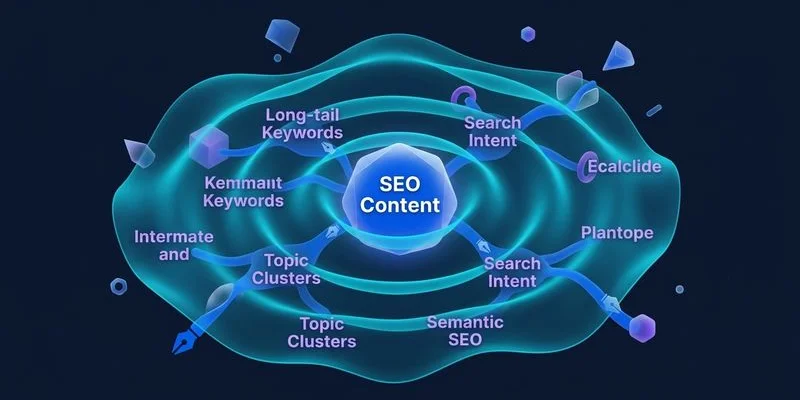
Perhaps the most important NLP application for SEO is search intent matching. Search intent refers to the underlying goal behind a search query. Is the user looking for information, trying to make a purchase, comparing options, or navigating to a specific page?
NLP analysis of search results helps AI tools understand the intent behind keywords and generate content that matches that intent. Informational queries get comprehensive, educational content. Commercial queries get comparison-focused content with clear calls to action. This alignment between content and intent is one of the strongest ranking factors in modern SEO.
The Gsmart Optimizer uses NLP analysis to ensure your content matches the search intent of your target keywords, analyzing what top-ranking pages cover and how they structure their content.
Readability Optimization
NLP technologies also contribute to readability, which affects both user experience and SEO performance. AI blog generators use sentence complexity analysis to maintain appropriate reading levels. They monitor paragraph length to ensure content remains scannable. Transition word usage is optimized to improve flow between ideas. Heading structure is organized to create clear content hierarchy.
Content that is easy to read keeps visitors on the page longer, reduces bounce rates, and sends positive engagement signals to search engines.
NLP and Content Quality Signals
Search engines use their own NLP models to evaluate content quality. Understanding these evaluation methods helps explain why NLP-powered AI content performs well.
Coherence Analysis
Search engine NLP models evaluate whether content flows logically from one point to the next. Random or disjointed content scores poorly on coherence metrics. AI blog generators that use sophisticated NLP produce content with natural transitions between ideas, logical argument progression, and consistent thematic focus.
Comprehensiveness Scoring
NLP models can determine how comprehensively an article covers its topic by comparing it to other content on the same subject. Articles that cover more relevant subtopics and answer more related questions score higher on comprehensiveness metrics. This is one reason why AI-generated content, which systematically includes relevant subtopics, often performs well in search rankings.
Originality Detection
Modern NLP can identify not just copied text but semantically similar content. This means simply paraphrasing existing articles is not sufficient for achieving good rankings. AI blog generators that produce genuinely original content by synthesizing information in new ways rather than rephrasing existing articles provide a significant advantage.
The Role of NLP in Content Optimization
Beyond content generation, NLP plays a crucial role in content optimization. Tools that analyze your content against top-ranking competitors use NLP to identify missing topics and concepts, suggest structural improvements, recommend additional entities and terminology to include, and evaluate the overall quality and comprehensiveness of your content.
This optimization loop, where NLP is used both to generate and to evaluate content, creates a feedback mechanism that continuously improves content quality.
Learn more about removing fluff and improving content quality in our guide on unfluffing AI articles with Agility Writer.
Practical Implications for Content Creators
Understanding NLP helps content creators use AI tools more effectively. When you understand that AI blog generators work by modeling language patterns, you can write better prompts and instructions, evaluate AI output more critically, combine AI generation with human expertise more effectively, and make smarter decisions about which content tasks to automate.
The content creators who get the best results from AI tools are those who understand the technology well enough to guide it effectively. They know when AI will excel, like systematic topic coverage and SEO optimization, and when human input is essential, like original insights and personal experience.

The Future of NLP in Content Creation
NLP technology continues to advance rapidly. Future developments likely to impact content creation include better understanding of nuance and subtlety, improved ability to incorporate real-time information, more sophisticated style adaptation, and enhanced multilingual capabilities.
These advances will make AI blog generators even more capable, further blurring the line between AI-generated and human-written content. For content creators, this means the competitive advantage will increasingly come from strategy, expertise, and creativity rather than writing mechanics.
Leveraging NLP for Your Content Strategy
Whether you are a solo blogger or managing a content team, NLP-powered AI tools can transform your content production. Start by exploring Agility Writer’s writing modes to see how NLP-driven content generation can fit into your workflow. Use the topical map feature to plan content strategies that leverage NLP’s ability to map topic relationships. And take advantage of optimization features that use NLP to ensure your content competes effectively in search results.
Visit our pricing page to find the plan that matches your needs and start leveraging NLP-powered content creation today.