The search landscape is undergoing its most significant transformation since Google replaced directory listings with algorithmic results. AI answer engines like Perplexity, Google Gemini, and ChatGPT are reshaping how people find information online. Instead of scanning ten blue links, users increasingly receive synthesized answers that cite specific sources.
For content creators and SEO professionals using an AI SEO writer, this shift introduces a new discipline: Answer Engine Optimization, or AEO. Understanding how these systems select and cite sources is now essential for maintaining visibility in a rapidly evolving search ecosystem.
The Rise of AI Answer Engines
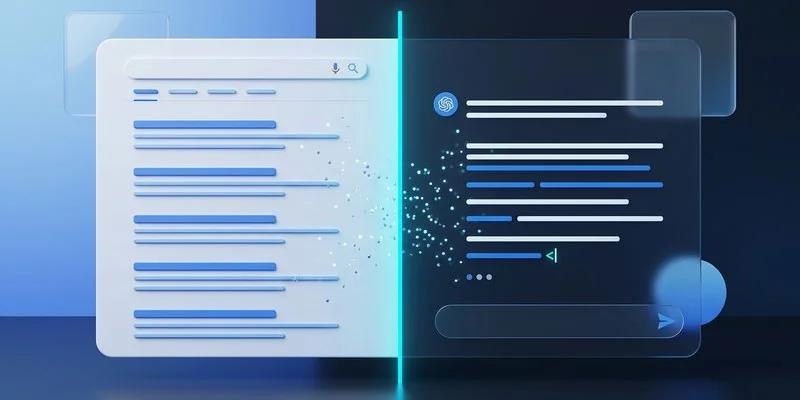
AI answer engines differ fundamentally from traditional search engines. Where Google historically presented a ranked list of web pages, AI answer engines consume content from multiple sources, synthesize a coherent response, and attribute specific claims to the sources they drew from.
Perplexity AI has grown rapidly by positioning itself as a research assistant that provides cited answers. Google Gemini integrates AI-generated overviews directly into search results. ChatGPT, through its browsing capabilities, now searches the web and provides sourced responses to user queries.
The combined user base of these platforms represents a significant and growing share of information-seeking behavior. Brands that appear in AI-generated answers gain visibility that traditional SEO alone cannot provide.
How AI Answer Engines Select Sources
Understanding the source selection process is critical for optimization. While each platform has its own algorithms, several common patterns emerge.
Authority and trust signals play a major role. AI answer engines prefer sources from established, authoritative domains. Sites with strong E-E-A-T signals, comprehensive coverage of their topics, and a history of accurate information are cited more frequently.
Content structure and clarity directly influence whether an AI system can extract useful information from your content. Well-organized articles with clear headings, concise definitions, and logically structured arguments are easier for AI systems to parse and cite.
Factual density matters. AI engines favor content that provides specific data points, statistics, named entities, and concrete examples over vague generalizations. Content that makes definitive, well-supported claims is more likely to be cited than content that hedges excessively.
Freshness and recency are weighted heavily, particularly for topics where information changes frequently. Keeping your content updated with current data and dates signals to AI systems that your information is reliable and current.
Key Differences Between AEO and Traditional SEO
While AEO shares some principles with traditional SEO, there are important distinctions that content creators must understand.
Traditional SEO focuses on ranking a single page for specific keywords. AEO focuses on having your content cited within AI-generated responses, which may synthesize information from multiple sources into a single answer. You are competing not for a position on a results page but for inclusion as a cited source within an AI response.
Traditional SEO rewards content that keeps users on your page. AEO rewards content that provides clear, extractable answers that AI systems can confidently attribute. This means your content needs to be both comprehensive and concise, providing clear statements that AI engines can quote or paraphrase.
Keyword targeting in traditional SEO revolves around matching specific search queries. In AEO, the focus shifts toward covering entities, concepts, and relationships that AI systems use to build their knowledge representations. Agility Writer’s entity extraction and NLP capabilities help ensure your content covers the semantic territory that AI engines evaluate.
Content Structure That AI Answer Engines Prefer
Structuring your content for AI consumption requires deliberate formatting choices.
Lead with clear definitions. When covering a topic, provide a concise, authoritative definition early in your content. AI engines frequently extract definitional statements for their responses.
Use structured headings that match common questions. Format your H2 and H3 headings as questions or clear topic labels. AI engines scan heading structures to understand content organization and find relevant passages.
Include summary statements. After detailed discussions, provide concise summary paragraphs that distill the key points. These summaries are prime candidates for AI extraction and citation.
Provide specific data. Include numbers, percentages, dates, and named examples. Content with “studies show 73% of marketers report improved results” is more citable than “many marketers see better results.”
Using the Gsmart Optimizer in Agility Writer helps ensure your content meets the quality and structural standards that both traditional search engines and AI answer engines prefer.
Entity Coverage and Citation-Worthy Content
AI answer engines build internal knowledge graphs that map relationships between entities, concepts, people, organizations, and topics. Content that demonstrates comprehensive entity coverage signals expertise to these systems.
When writing about a topic, ensure you cover the key entities that define that topic. For an article about content marketing, this means mentioning specific tools, methodologies, metrics, and industry figures that are closely associated with the subject.
Agility Writer generates content with built-in entity coverage based on SERP analysis. The system identifies which entities appear consistently in top-ranking content for your target topics and ensures your articles include comprehensive entity references. This same entity coverage that helps with traditional SEO also improves your chances of being cited by AI answer engines.
Structured Data and Schema Markup for AI Visibility
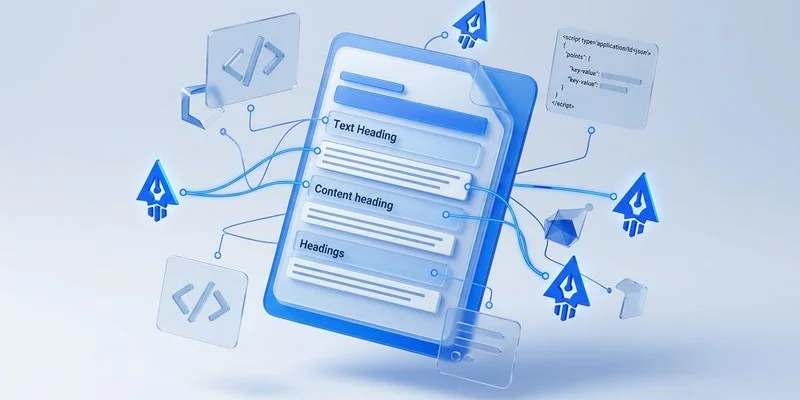
While AI answer engines do not rely exclusively on structured data, schema markup provides an additional signal that helps these systems understand your content.
FAQ schema makes your question-and-answer content explicitly parseable. AI engines can extract FAQ entries and include them in synthesized responses.
Article schema with proper author, date, and publisher information reinforces the E-E-A-T signals that AI engines use when evaluating source credibility.
How-to schema structures step-by-step content in a way that AI engines can easily consume and present to users seeking procedural guidance.
Implementing comprehensive schema markup is a relatively small effort that pays dividends across both traditional search and AI answer engine visibility.
Tracking Your Brand’s AI Answer Engine Presence
One of the challenges of AEO is measurement. Unlike traditional search where you can track rankings and clicks through Google Search Console, AI answer engine visibility is harder to quantify systematically.
Start by regularly querying AI answer engines with terms relevant to your brand and industry. Document when and how your content is cited. Note the types of queries that trigger citations of your content versus your competitors.
Agility Writer provides guidance on tracking brand visibility in AI search engines that can help you build a monitoring framework.
Over time, patterns will emerge that reveal which content types, structures, and topics earn the most AI citations for your brand. Use these insights to refine your content strategy and double down on what works.
Practical Optimization Checklist for AEO
To optimize your content for AI answer engines, follow this practical checklist. Write clear, authoritative definitions for key terms in your niche. Structure content with descriptive headings that match common user questions. Include specific data points, statistics, and named entities throughout your articles. Add summary paragraphs at the end of major sections. Implement relevant schema markup across your content. Keep content fresh with regular updates and current dates. Build comprehensive topical coverage through topic clusters that demonstrate domain expertise. Ensure your author pages and about pages reinforce E-E-A-T credentials.

The Future of Content in an AI-First Search World
AI answer engines are not replacing traditional search engines, at least not yet. But they are capturing an increasing share of information-seeking queries. The most resilient content strategy optimizes for both traditional SEO and AEO simultaneously, which is achievable because the core principles overlap heavily.
High-quality, well-structured, authoritative content that demonstrates genuine expertise will perform well across all search paradigms. Agility Writer’s AI-powered content generation is designed to produce exactly this type of content, giving your articles the best chance of ranking in traditional search while also being cited by AI answer engines.
Explore Agility Writer’s features to see how AI-generated content can be optimized for the next generation of search and start building visibility across every platform where your audience seeks answers.